
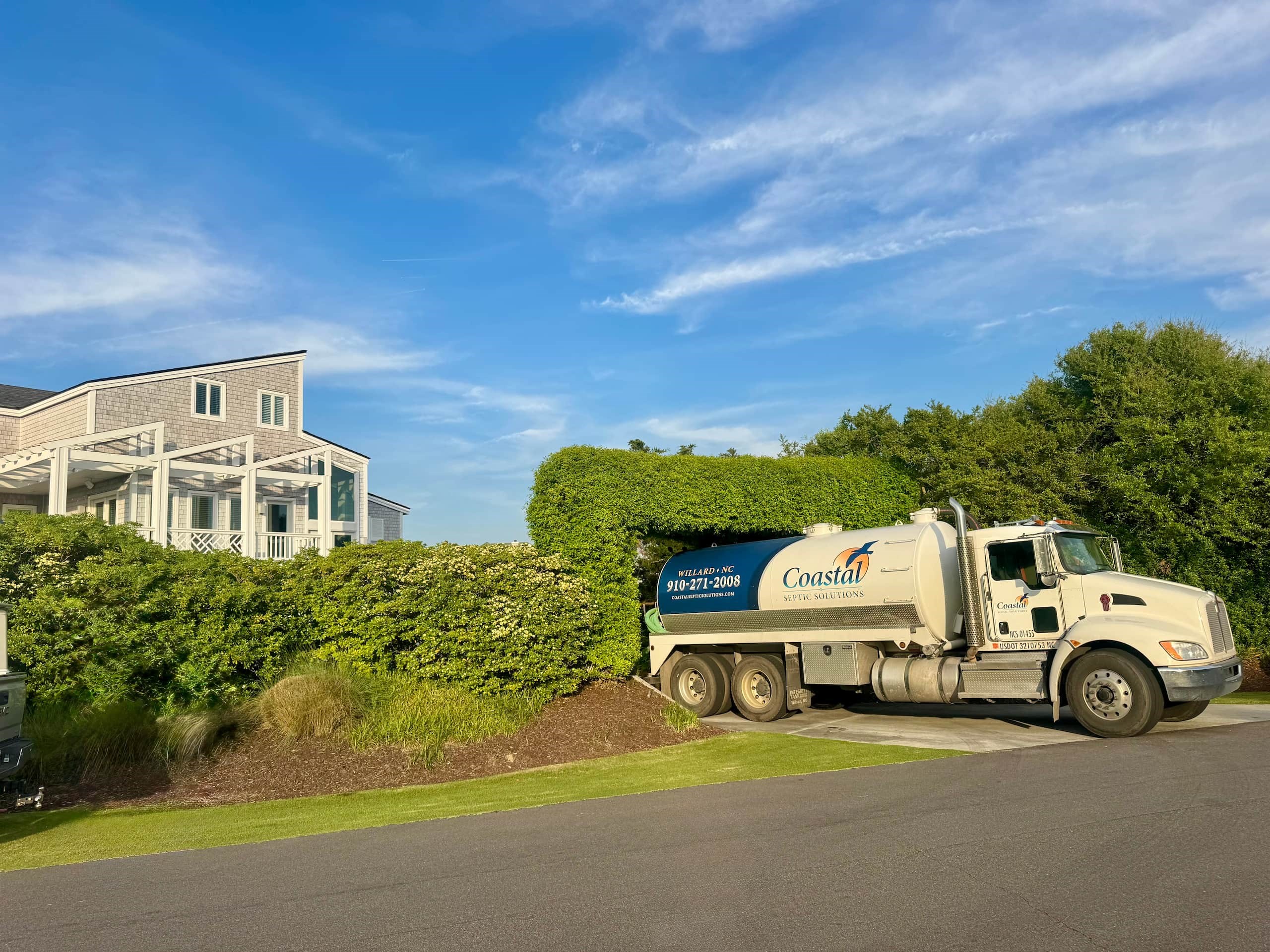
Winterizing Your Septic System: What Homeowners Must Do
March 17, 2026
As winter approaches in eastern North Carolina, most homeowners start tackling their seasonal to-do lists—wrapping pipes, protecting outdoor spigots, and checking the heat. But there’s one system that often slips under the radar: the septic system.
Even though our winters aren’t as harsh as those up north, we still see our share of freezing nights. A brief cold snap can be enough to freeze lines, slow down drains, and cause expensive septic problems if your system isn’t prepared.
At Coastal Septic Solutions, we help local homeowners prevent those winter headaches with dependable, affordable maintenance. Here’s what you should know about keeping your septic system protected this season.
Why Winterizing Your Septic System Matters
Your septic system works best when temperatures stay steady and bacteria inside the tank remain active. When cold weather hits, a few parts of the system can become vulnerable:
- Pipes and lines can freeze, blocking wastewater flow.
- Shallow or exposed components—like tank lids or uncovered lines—may be affected by frost.
- Bacterial activity in the tank slows down, reducing how efficiently solids break down.
- Heavy winter rain, common along the coast, can oversaturate the drain field and cause backups.
Taking time to winterize now can help you avoid costly repairs, slow drains, or emergency service calls later.
Insulate Your System with Natural Ground Cover
A healthy layer of ground cover is one of the easiest and most effective ways to insulate your septic system. Grass, mulch, and other vegetation help trap warmth in the soil and keep frost from reaching your tank or drain field.
Here’s what you can do before the temperatures drop:
- Add straw, mulch, or leaves over exposed areas to provide extra insulation.
- Avoid mowing too short before winter—longer grass holds in more heat.
- Keep vehicles and heavy equipment off the drain field to prevent compaction, which can push frost deeper into the soil.
Schedule a Fall or Early-Winter Pumping
A septic tank with excessive solids is more likely to experience issues in cold weather. If solids freeze or settle unevenly, they can obstruct flow and reduce the tank’s efficiency.
At Coastal Septic Solutions, our residential pumping starts at just $380, making seasonal maintenance affordable and stress-free. Pumping before winter ensures your system is clean and functioning smoothly.
Pump your tank if:
- It’s been 3–5 years since your last pumping.
- You’ve noticed slow drains or odors.
- You’re expecting increased holiday home use.
Protect and Seal Septic Tank Lids
Cold air entering through loose or cracked lids can allow frost to reach the interior of your tank. This can slow bacterial activity and increase the risk of frozen surfaces.
We offer replacement lids and septic tank risers that enhance insulation, improve accessibility for future service, and help prevent cold-weather damage.
Keep Water Flowing Regularly
Infrequently used plumbing is more likely to freeze. If you own a vacation home, rental property, or spend long stretches away during winter, stagnant water in pipes can become a major problem.
Tips:
- Run water for a few minutes in each fixture weekly.
- If the home will be vacant, consider having the water system winterized.
- Check for small leaks. Steady drips can freeze and block pipes.
Divert Winter Rain Away from the Drain Field
Coastal North Carolina often experiences heavy, persistent rain during the winter months. When excessive water soaks into the drain field, it can prevent wastewater from dispersing properly, resulting in backups or system overloads.
To help protect your system:
- Make sure gutters and downspouts channel rainwater away from the drain field.
- Inspect the area for low spots where water tends to pool, and improve drainage if needed.
- Avoid landscaping or construction projects that could redirect surface runoff toward the system.
If you notice slow drains or flooding during rainy weather, our team can help with line jetting, D-box repairs, and emergency services to quickly restore proper flow.
Address Plumbing or Drain Issues Early
Winter is the worst time for a septic emergency, and small problems have a way of becoming big ones when temperatures drop.
Coastal Septic Solutions provides 24-hour emergency services for:
- Backups
- Blockages
- Clogged filters
- Failing drain lines
- Excess solids
- Heavy rain overload issues
If something doesn’t seem right (gurgling drains, sewage odors, or unusually wet areas in the yard), don’t wait for it to get worse.
Know When to Call a Professional
DIY fixes are great for simple tasks, but septic systems require knowledgeable care to stay safe and effective, especially in winter. Our licensed and insured technicians use state-of-the-art tools and equipment to diagnose and repair issues accurately and affordably.
Whether you need winter prep, pumping, repair, or a full system inspection, Coastal Septic Solutions is committed to keeping your home safe, your yard clean, and your septic system running efficiently all season long.
If you’re ready to schedule winter maintenance or need help preparing your septic system, contact Coastal Septic Solutions today for a free quote. As a trusted family-owned business serving Pender, New Hanover, Brunswick, Sampson, Duplin, and Bladen counties, we’re here to make septic service affordable, efficient, and clean year-round.